
Table of Contents
ToggleIntroduction
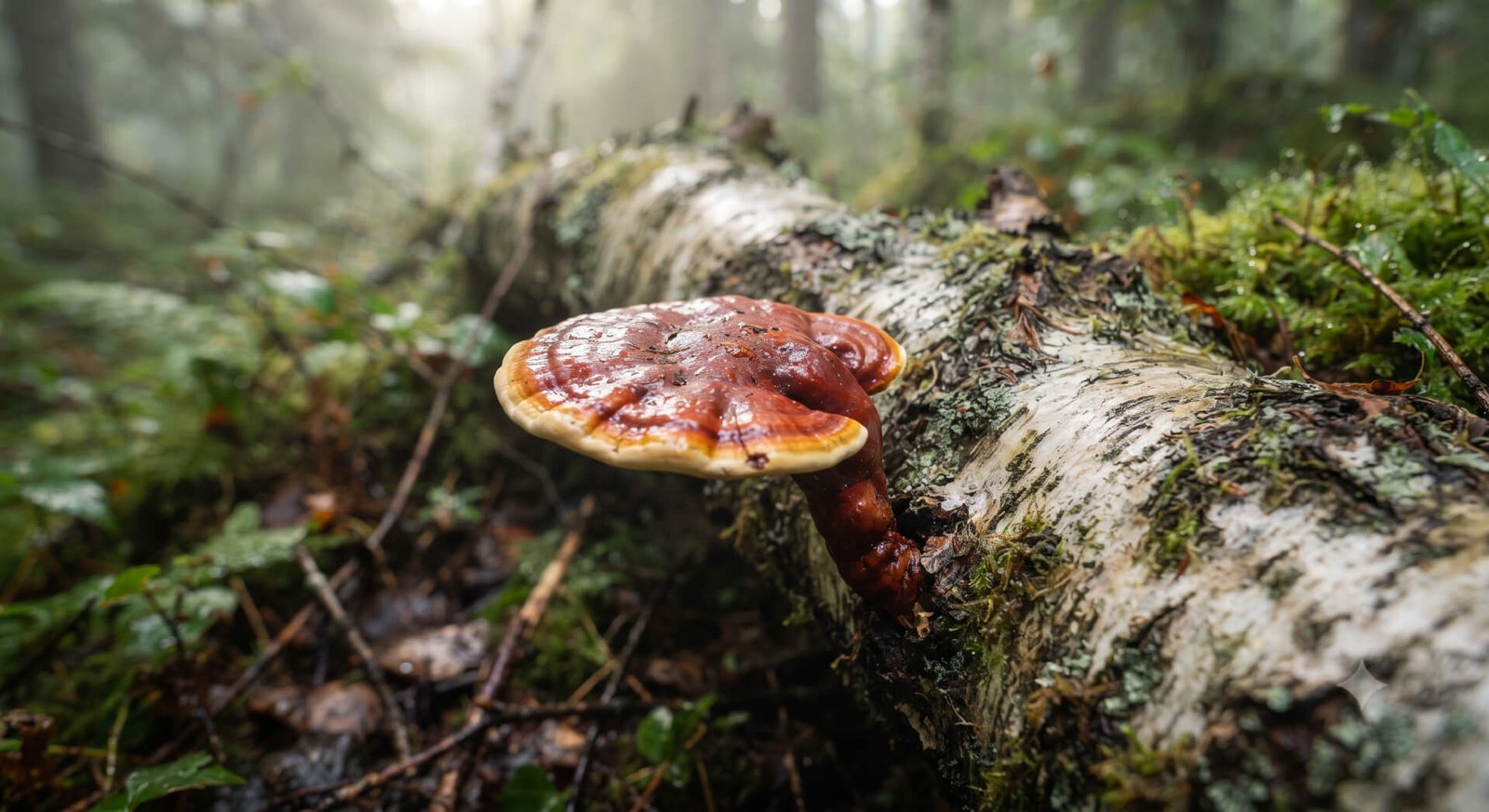
The biggest reishi mushroom benefits are immune balance, lower stress, and heart support. It’s known as Ganoderma lucidum in science and “Lingzhi” in Chinese medicine. People have used it for over 2,000 years, and modern research backs some of these old claims — a 2024 patient survey of 1,374 cancer patients found more than half reported reduced fatigue and improved appetite after taking reishi (Source: PMC/NIH, 2024).
Reishi contains roughly 400 active compounds. The two most studied are beta-glucans and ganoderic acids. Beta-glucans support immune signaling. Ganoderic acids act as antioxidants. This guide covers the full range of reishi mushroom benefits, how to take it, side effects, and the best forms to buy. For comparison, you can also read our guides on turkey tail mushroom benefits and chaga mushroom benefits — two other well-researched functional mushrooms.
What Is Reishi Mushroom?
Top 7 Reishi Mushroom Benefits (Backed by Research)
1. Supports Immune System Function
One of the most-cited reishi mushroom benefits is immune support. Reishi’s beta-glucan polysaccharides interact with white blood cells and may help regulate immune response. Some small clinical studies found improved immune and tumor response markers in cancer patients using reishi extract alongside standard treatment.
2. May Reduce Stress, Anxiety, and Fatigue
(Note: This section previously repeated the 1,374-patient survey stat from the intro almost word-for-word. I removed the repeat and kept only the new data point — the 48-patient breast cancer trial — so the section still supports the same point without being redundant.)
3. May Support Better Sleep Quality
4. Rich in Antioxidants
5. May Support Heart Health
Animal and in-vitro studies suggest reishi compounds can help lower triglycerides and raise HDL (“good”) cholesterol. Results from human trials remain mixed, so this benefit should be framed as promising rather than proven.
6. Liver Protection (Hepatoprotective Effects)
7. Adjunct Support During Cancer Care (not a treatment or cure)
Reishi is not a cancer treatment. That said, several small studies show it may ease treatment-related fatigue, appetite loss, and low mood when used alongside conventional oncology care and under medical supervision.
⚠️ Callout Box: Reishi is not approved to diagnose, treat, cure, or prevent any disease, including cancer. Always talk to your oncologist or doctor before combining reishi with any treatment plan.
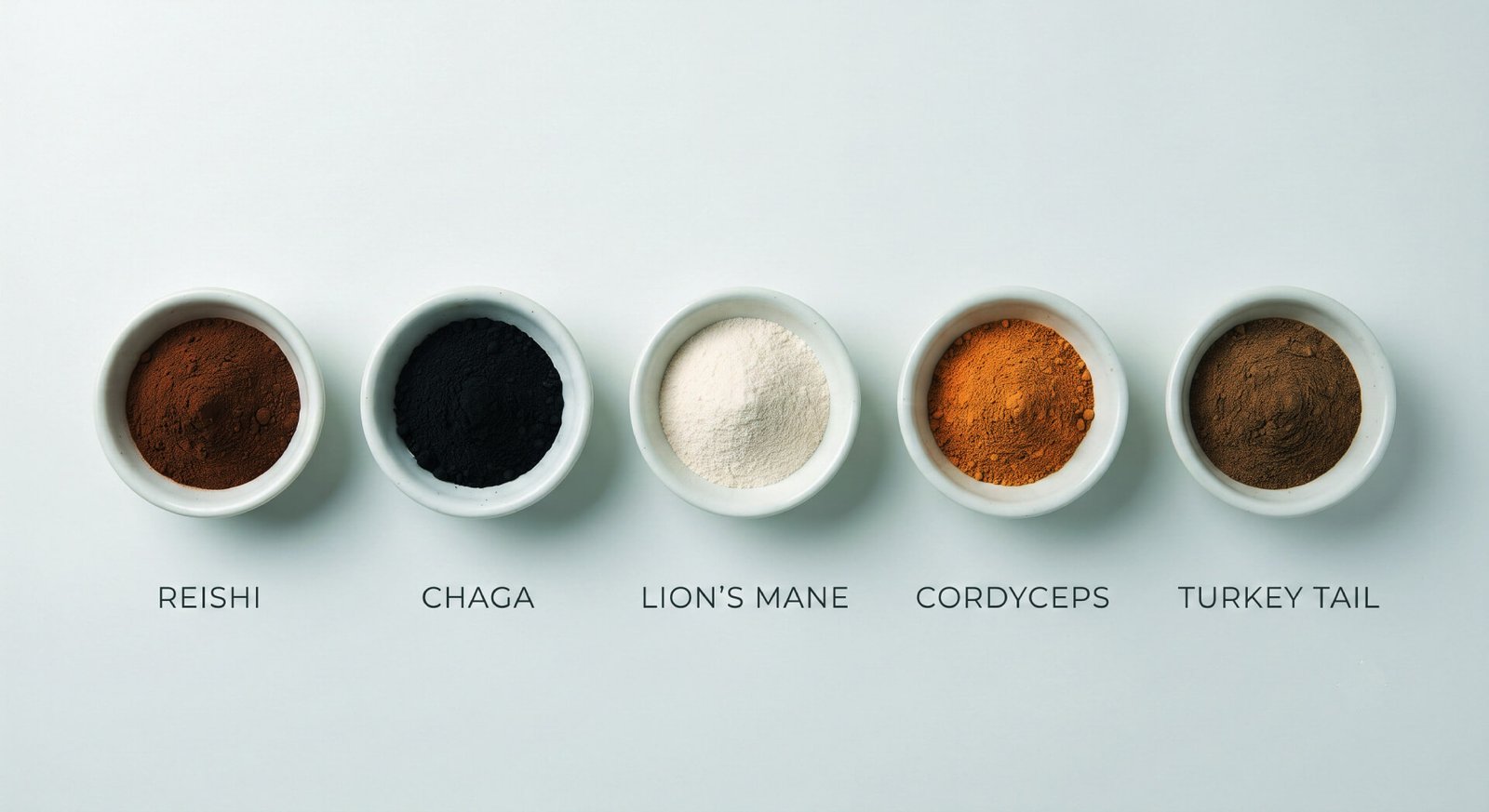
Reishi vs. Other Medicinal Mushrooms (Comparison Table)
|
Mushroom
|
Primary Benefit
|
Best For
|
Common Form
|
|---|---|---|---|
|
Reishi (Ganoderma lucidum)
|
Calm, immune balance, antioxidant
|
Stress, sleep, recovery
|
Coffee, powder, tincture
|
|
Antioxidant, immune boost
|
Daily energy, immunity
|
Tea, chunks, powder
|
|
|
Cognitive & nerve support
|
Focus, brain health
|
coffee
|
|
|
Cordyceps
|
Energy & stamina
|
Exercise performance
|
Powder
|
|
Gut & immune microbiome support
|
Digestive health
|
tea
|
How to Take Reishi Mushroom
Reishi Mushroom Coffee (Easiest Daily Option)
Reishi Extract Powder (Flexible Dosing)
Powder form lets you control the amount and mix it into coffee, smoothies, or recipes. A typical serving is around ½ teaspoon daily.
Is Reishi Safe? How to Use It Confidently
Generally very well tolerated
A Few People Should Take Extra Care
Reishi is powerful enough to interact with certain conditions and medications, so check with your doctor first if you:
- Take blood thinners or blood-pressure medication — reishi may gently amplify their effects
- Are pregnant or breastfeeding — there simply isn’t enough safety data yet
- Have a bleeding disorder or surgery coming up — pause use beforehand to be safe
- Use very high doses of concentrated extracts for long stretches — rare reports link this pattern to liver strain, another reason moderation matters
The smart way to take reishi
- ✅Start low, build slowly — begin with the labeled amount for the first week to see how you respond before increasing.
- ✅Stay consistent — reishi’s calming, sleep, and stress benefits build gradually over 2–4 weeks, not overnight.
- ✅Choose quality, dual-extracted reishi — the extract ratio (e.g. 10:1) and proper processing matter far more than the raw gram count.
- ✅ Time it for the evening — many people find reishi works best taken at night with a little food.
Frequently Asked Questions About Reishi Mushroom Benefits
Q1: What is Reishi mushroom extract?
A1: Reishi extract is a concentrated form of the Ganoderma lucidum mushroom. Because the raw mushroom is too woody and fibrous to digest, it’s processed — ideally through dual extraction (hot water plus alcohol) — to pull out its active compounds like beta-glucans and triterpenes into a form your body can actually absorb.
Q2: How long does it take for reishi mushroom to work?
A2: Most people report subtle Reishi Mushroom Benefits — like better sleep or lower stress — within 2–4 weeks of daily use, though individual response varies.
Q3: How Much Reishi Mushroom Should I Take?
A3: There’s no single “correct” dose of Reishi that fits everyone — the right amount depends on the form you’re using, how concentrated it is, and what you’re taking it for. But here’s a clear, practical breakdown so you’re not left guessing.
Q4: What are the benefits of the reishi mushroom?
A4: Reishi (Ganoderma lucidum) is often called a “whole-body” tonic because its benefits aren’t limited to one system — they ripple across your immunity, mind, sleep, and long-term cellular health.
Q5: How do you take reishi mushroom, and how much?
A5: Reishi is most effective as a dual-extracted powder, capsule, or tincture — powder mixes easily into warm water,mushroom coffee, or tea, while capsules are the simplest for staying consistent. For most healthy adults, 1–2 grams of extract per day is a sensible amount, ideally taken in the evening with a little food for better absorption. Start at the low end, stay consistent for 2–4 weeks, and remember that the extract ratio (e.g. 10:1) matters more than the gram count.
Final Verdict on Reishi Mushroom Benefits
To sum up, the biggest reishi mushroom benefits are stress relief, immune balance, and antioxidant support, backed by one of the best-studied adaptogenic fungi around. It won’t replace medical treatment, but it’s a low-risk daily addition backed by a growing body of research. For more on how reishi compares to other functional mushrooms, see our guides on turkey tail mushroom benefits and chaga mushroom benefits.
Sources
- 1,374-Patient Reishi Survey (PMC/NIH, 2024)
- Immune & Tumor Response in Cancer Patients (NCBI)
- Reishi and Heart Health: Human Trial Data (PubMed)