
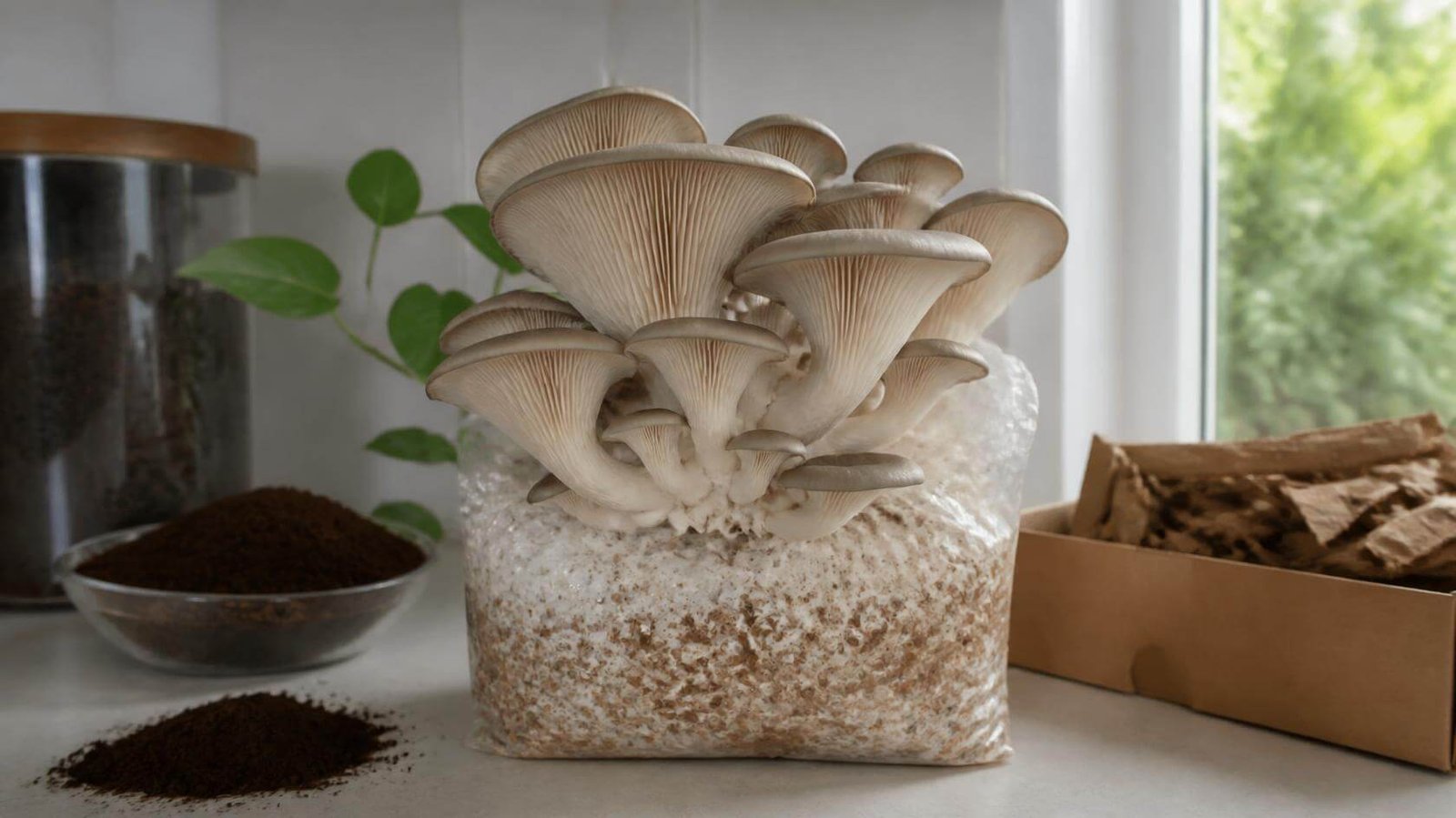
If you have ever thrown away used coffee grounds and thought, “This feels like a waste,” you are not alone. A lot of home growers use coffee grounds, cardboard, and a little oyster mushroom spawn to turn kitchen waste into fresh edible mushrooms. The good news: oyster mushrooms are one of the easiest mushrooms to grow at home. They grow fast, do well indoors, and thrive on simple household materials like straw, cardboard, sawdust, and used coffee grounds.The tricky part? Coffee grounds can mold fast if you handle them the wrong way.This guide shows you how to grow oyster mushrooms at home using coffee grounds and cardboard, with simple step-by-step instructions, harvest timing, safety tips, and common mistakes to avoid. Quick Answer : To grow oyster mushrooms, mix fresh used coffee grounds with clean soaked cardboard in a 2:1 ratio, add oyster mushroom spawn, place the mix in a clean bag or container, keep it warm and dark (65–75°F) for 10–21 days while the mycelium grows, then move it to indirect light and fresh air when pins appear. Harvest when the caps flatten but before the edges curl upward. Quick Facts Scientific Name : Pleurotus ostreatus (Pearl Oyster), Pleurotus columbinus (Blue Oyster), Pleurotus djamor (Pink Oyster) Best DIY Substrate : Used coffee grounds (2 parts) + soaked plain brown cardboard (1 part) Ideal Temperature : 60–75°F (warm, dark room during incubation) Time to Harvest : 2–4 weeks from mixing spawn to first harvest Difficulty Level : Beginner-friendly (low-cost DIY home cultivation) Expected Yield : 1–3 flushes (harvest rounds) per container REAL TEST CASE — : In our own indoor test grows, we compared 100% coffee grounds against a 2:1 coffee-to-cardboard mixture. The 100% coffee ground batch developed green mold (Trichoderma) within 6 days because the grounds packed too tightly and lacked airflow. In contrast, the 2:1 cardboard-mixed batch colonized into a solid, healthy white block in just 14 days and produced three full flushes of pearl oysters. Adding cardboard is the single most effective way to eliminate mold for home growers. What Are Oyster Mushrooms? If you want to learn how to grow oyster mushrooms, you will love that these soft, fan-shaped edible mushrooms grow in overlapping clusters. Recognized for their mild, savory, and slightly earthy flavor, they are a staple in home gourmet kitchens. They are especially popular with first-time growers because they colonize faster than many other mushrooms, thrive on everyday waste materials, perform excellently indoors, and taste incredible in stir-fries, soups, pasta, tacos, and rice bowls. Most home growers start with pearl oyster, blue oyster, pink oyster, or golden oyster varieties. For this DIY method, standard oyster mushroom spawn—particularly pearl or blue oyster—delivers the most reliable results. You can explore more varieties in our detailed mushroom guides. Is It Hard to Grow Oyster Mushrooms at Home? No, it is not difficult to grow oyster mushrooms at home. Among all cultivated fungi, oyster mushrooms are widely considered the absolute best choice for beginners.However, there is one honest warning you need to know: coffee grounds are highly prone to contamination.Because coffee grounds are rich in nitrogen and moisture, mold can take over rapidly if the grounds are old, soaking wet, or handled with uncleaned tools. This is precisely why successful home growers mix coffee grounds with cardboard. Cardboard adds structure, creates vital air pockets, and helps the substrate breathe naturally. If you want the simplest, most foolproof experience, start with a ready-made oyster mushroom grow kit. If you prefer a rewarding, low-cost DIY project, coffee grounds and cardboard work wonderfully when you practice basic cleanliness. Why Use Coffee Grounds and Cardboard? For beginners learning how to grow oyster mushrooms, coffee grounds and cardboard are free, accessible, and complement each other perfectly. Coffee grounds provide essential nutrients and moisture. Plain brown cardboard provides physical structure, cellulose, and air space. Oyster mushroom spawn provides living mycelium that consumes the mix. When enclosed in a perforated grow bag or container, the mycelium builds a robust block that fruits delicious mushrooms from the sides. Using coffee grounds alone is a common beginner mistake—the grounds pack too tightly, trapping moisture and suffocating the mycelium, which often leads to green mold or sour odors. Cardboard balances the mix by allowing oxygen flow. What You Need to Grow Oyster Mushrooms To learn how to grow oyster mushrooms safely at home, gather these basic household supplies before you begin: Fresh used coffee grounds (brewed within the last 24 hours) Plain brown cardboard (corrugated shipping boxes without wax) Clean filter-patch grow bag, food-safe plastic bucket, or container Fine-mist spray bottle filled with clean water Clean disposable gloves and scissors or utility knife 70% rubbing alcohol or hot soapy water for sanitizing surfaces Rubber band or bag clip Need high-quality oyster mushroom spawn for your DIY grow? Get lab-tested, fast-colonizing grain spawn that resists mold. Exclusive Reader Discount – Save $10! Apply Code: LEARNMUSHROOM Shop Arctic Chaga SAFETY ALERT : Do not use glossy, printed, colored, or wax-coated cardboard. Inks and waxes can inhibit mycelial growth or introduce unwanted chemicals. Use plain, non-shiny brown cardboard boxes. Best Conditions for Growing Oyster Mushrooms Understanding how to grow oyster mushrooms successfully requires a precise balance of temperature, moisture, and airflow across two distinct life stages: Incubation (Mycelium Growth) : Warm, dark place (typically 65–75°F / 18–24°C). No light is required while mycelium colonizes the substrate. Fruiting Stage : Indirect ambient light, high humidity (80–90%), and abundant fresh air exchange. Room temperatures around 60–70°F work best. Different oyster species have slight temperature preferences. Blue oysters prefer slightly cooler rooms (60–65°F), whereas pink oysters enjoy warmer conditions (70–78°F). To learn more about environmental variables, read the University of Florida’s research on oyster mushroom cultivation basics. How to Prepare Coffee Grounds Safely When mastering how to grow oyster mushrooms on coffee grounds, preparing your substrate correctly is critical for preventing contamination. Although brewing coffee sterilizes the grounds with hot water, they do not remain sterile once exposed to kitchen air. Mold spores land
Best Mushroom Growing Kit for Beginners (2026 Guide)
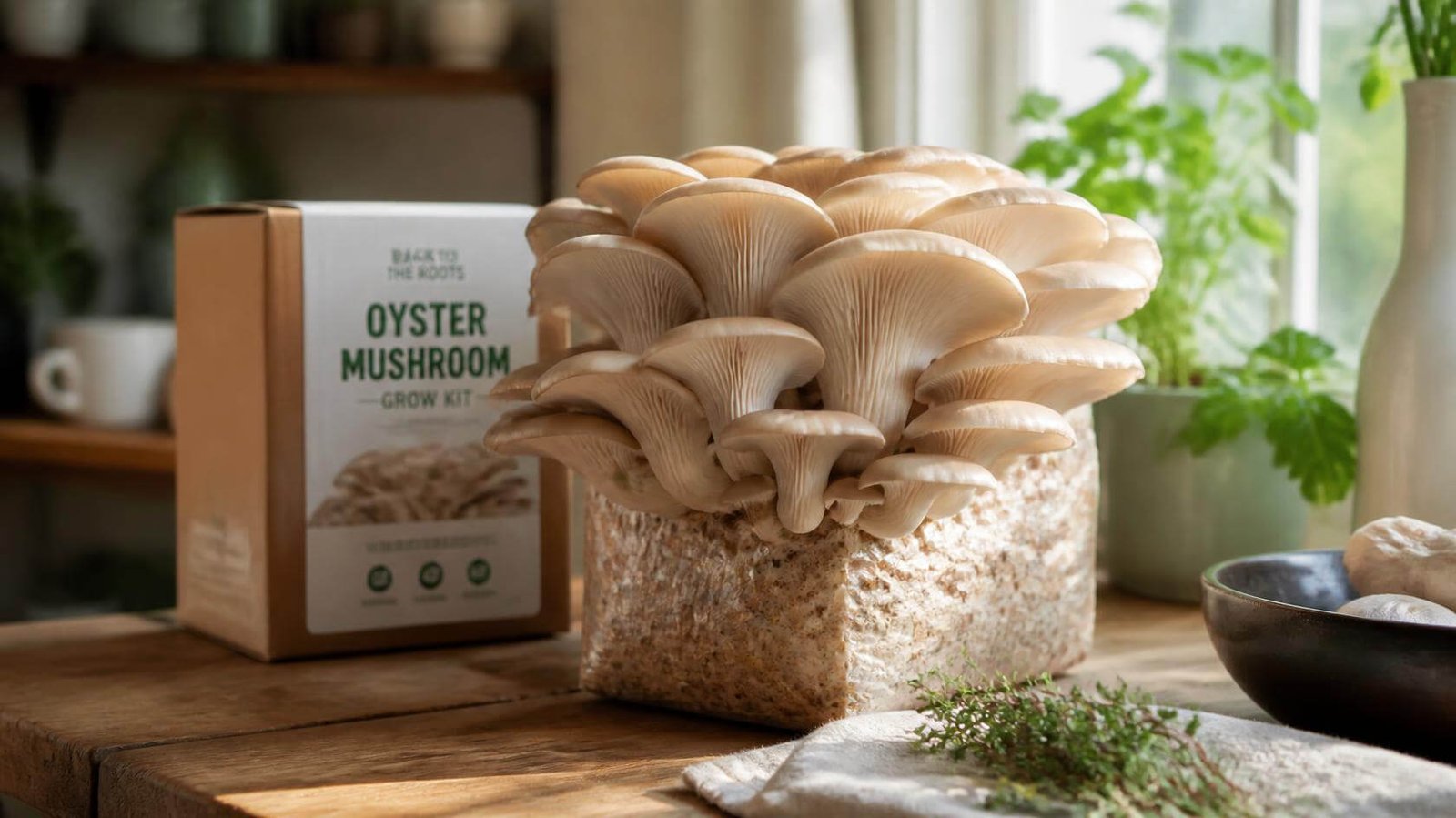
A mushroom growing kit is a ready-to-use setup that helps beginners grow mushrooms at home without starting from spores or building a full growing system. Most kits come with a colonized block, bag, or box that already contains mushroom mycelium. Your job is usually simple: open the kit, mist it, give it fresh air, keep it out of direct sunlight, and wait for mushrooms to appear. For most beginners, a kit is the easiest way to grow mushrooms indoors. It removes the hardest steps, like sterilizing substrate, inoculating grain, and keeping everything contamination-free.When I first looked at mushroom kits, I honestly thought they were all the same. Then I noticed one kit was for oyster mushrooms, another needed logs, and another looked like a science project. That’s when I realized beginners need a simple guide before choosing their first kit.This guide explains how mushroom kits work, which type is best for beginners, how much they cost, what problems to watch for, and whether buying one is actually worth it. What Is a Mushroom Growing Kit? A mushroom growing kit is a beginner-friendly product designed to help you grow edible mushrooms at home. Instead of starting with spores, agar, grain spawn, or homemade substrate, you get a prepared mushroom block that is already alive with mycelium. Mycelium is the white root-like network of the fungus. If conditions are right, that mycelium produces mushrooms. Most home kits are made for easy indoor growing. Some grow from a box. Some grow from a plastic bag. Others come as outdoor log kits, garden bed kits, or larger monotub-style systems. A basic kit may include: A colonized mushroom block A box or bag A spray bottle or mister Growing instructions A humidity tent or plastic cover Harvesting tips Sometimes recipes or educational material The goal is simple: make mushroom growing less intimidating. Are Mushroom Growing Kits Worth It? For beginners, yes — a mushroom growing kit is usually worth it if you want a simple first experience. It is not the cheapest way to grow mushrooms forever. But it is one of the easiest ways to learn how mushrooms behave without buying lab tools, pressure cookers, sterile bags, grain spawn, and substrate. A kit is worth it if you want: A simple indoor project A first mushroom harvest A gift for a food lover or gardener A kid-friendly science activity A low-risk way to try mushroom growing Fresh mushrooms without building a full setup A kit may not be worth it if you want: Large commercial harvests Full control over strain and substrate The lowest cost per pound Advanced cultivation practice Rare mushrooms that are hard to cultivate If this is your first grow, a kit makes sense. If you already know how to pasteurize straw, inoculate substrate, and control humidity, you may prefer a DIY method. What Comes Inside a Mushroom Growing Kit? Every brand is different, but most beginner kits include a colonized block. This block is usually made from sawdust, straw, compost, or another mushroom-friendly substrate. The block already contains mushroom mycelium. That means the kit has passed the hardest stage before it reaches you. A typical indoor kit may include: Item What It Does Colonized block The main growing material Plastic bag or box Holds moisture and protects the block Spray bottle Helps you mist the kit Instructions Shows when to open, mist, and harvest Humidity cover Helps keep moisture around the block Recipe booklet Gives ideas for cooking the harvest Some kits are very simple. Others include more tools. For beginners, simple is usually better. How Mushroom Growing Kits Work A mushroom kit works by giving mycelium the right conditions to fruit. The mycelium inside the kit has already grown through the substrate. When you open the kit and expose it to fresh air, moisture, and indirect light, the mycelium gets the signal to produce mushrooms. The basic process looks like this: Open the kit — Follow the instructions and cut or open the marked area. Mist daily — Most kits need regular misting to stay humid. Give fresh air — Mushrooms need oxygen. Too much trapped carbon dioxide can cause long stems or fuzzy growth. Keep it in indirect light — Mushrooms do not need strong sunlight, but they do need a light cue. Wait for pins — Tiny mushroom pins appear first. Harvest at the right time — Pick mushrooms before they dry out or overmature. A good kit does not need soil like a normal plant. Mushrooms are fungi, not vegetables, so their growing needs are different. Best Types of Mushroom Growing Kits for Beginners Before buying, exploring detailed mushroom guides can help you understand which species best suits your climate and home setup. Oyster Mushroom Kit Oyster mushrooms are one of the best choices for beginners. They grow fast, look beautiful, and usually respond well to basic indoor care. Many beginner kits use pearl oyster, blue oyster, pink oyster, or golden oyster mushrooms. Best for: First-time growers, fast results, kitchen counter growing, kids or family projects. Watch out for: Dry air, not enough fresh air, harvesting too late. Lion’s Mane Mushroom Kit Lion’s Mane is another popular option. It has a unique shaggy look and a mild seafood-like texture when cooked. Best for: People interested in gourmet mushrooms, food lovers, beginners who want something different from oyster mushrooms. Watch out for: Steady humidity, unusual appearance while growing, and browning if too dry. Shiitake Mushroom Kit Shiitake kits can be rewarding, but they may need more patience than oyster kits. Best for: People who like rich, savory mushrooms, growers willing to wait longer, indoor or log-style growing. Watch out for: Longer timeline, more specific care, slower flushes. Button Mushroom Kit Button mushrooms are familiar because they are common in grocery stores. But they are not always the easiest home kit. They usually prefer compost-based substrate and a casing layer. For total beginners, oyster mushrooms may be easier. Reishi Mushroom Kit Reishi is usually grown for tea or wellness use rather than normal
How to Make Chaga Tea: Complete Step-by-Step Guide (2026)
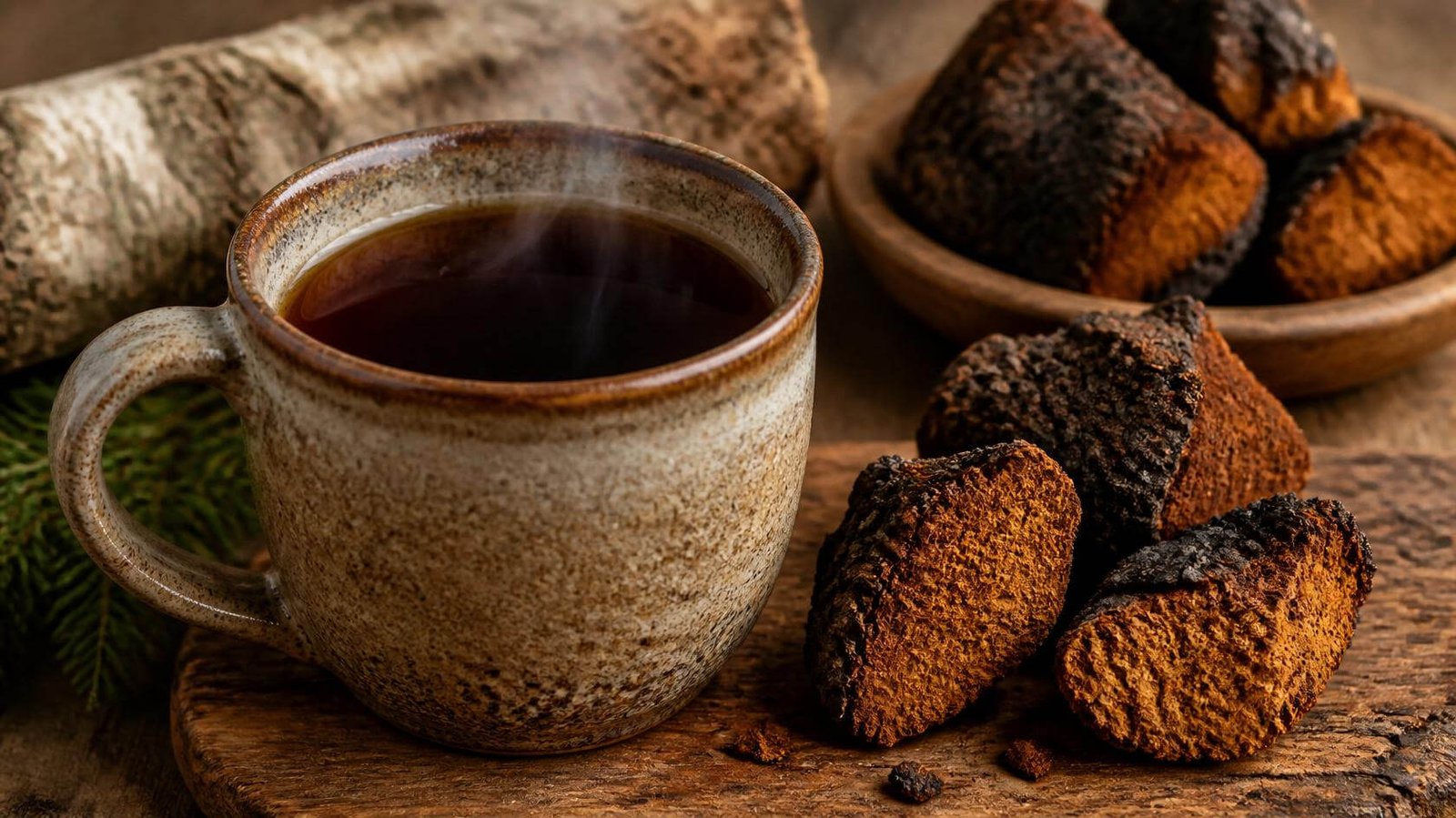
Making chaga tea means simmering dried chaga chunks, powder, or tea bags in hot water below boiling point, so the active compounds extract without breaking down. Depending on the form you use, the process takes 15 minutes to 2 hours. It’s naturally caffeine-free, earthy in flavor, and one of the most cost-effective ways to work chaga mushroom into a daily routine. Quick Facts box : Ideal water temperature: 80°C / 176°F — never boil chaga directly Brewing time: 15–30 min for powder; 1–2 hrs for chunks Chaga chunks reusable 3–4 times before discarding Flavor: mild, earthy, slightly sweet Caffeine: zero Daily limit: no more than 2 small cups/day recommended What Is Chaga Tea and Why Drink It? Chaga tea is a dark, slow-brewed drink made by extracting the beneficial compounds of chaga mushroom (Inonotus obliquus) with hot water. Unlike leaf teas that steep in minutes, chaga’s compounds sit inside a dense, woody growth, so it needs a longer, low-heat process. The result is a smooth, mildly earthy brew that pairs well with honey, cinnamon, or vanilla — consumed for centuries across Russia, Scandinavia, and Northern Europe, and now popular in the U.S. as a caffeine-free coffee alternative. Chaga Tea at a Glance Attribute Detail Primary ingredient Inonotus obliquus (chaga mushroom) Taste Mild, earthy, slightly sweet — no bitterness Caffeine Zero Calories Essentially zero Color Deep amber to dark brown Reusability Chunks reusable 3–4 times Storage (brewed) Refrigerate up to 7–14 days What You Need to Make Chaga Tea Before brewing, pick your format — it changes brew time, strength, and convenience. The 3 Forms of Chaga for Tea Chaga Chunks (Nuggets) — best flavor, most reusable, most cost-effective long-term Chaga Powder — brews faster, stronger; needs a fine-mesh strainer Chaga Tea Bags — beginner-friendly, mildest flavor, no straining Recommended Products from Arctic Chaga Product Form Price Best For Chaga Family Tea Bags Tea bags $37.95 Beginners, daily use Chaga Tincture Liquid extract $49.95 Quick absorption, on-the-go Mushroom Power 5 Blend powder $14.95–$54.95 Multi-mushroom daily blend Mushroom Starter Bundle Bundle $59.95 Best value for beginners Arctic Chaga is a family-owned business in Anchorage, Alaska; all chaga is wild-harvested by hand from Alaska’s remote birch forests. Apply Code: LEARNMUSHROOM Exclusive Reader Discount – Save $10! Shop Arctic Chaga How to Make Chaga Tea Step by Step Method 1 — How to Make Chaga Tea from Chunks (Best Flavor, Most Traditional) This is the most traditional way to brew chaga tea from chunks, and it produces the deepest, richest flavor of all four methods. Equipment you’ll need: 3–5 chaga chunks · 4 cups (1L) filtered water · stainless steel pot · fine-mesh strainer Steps: Rinse the chunks briefly under cold water to remove any surface dust — no need to scrub, just a quick rinse before simmering Add chunks to the pot — no need to break them up Pour in cold filtered water — neutral water lets the earthiness come through Heat slowly to a gentle simmer — never boil, stay at/below 80°C / 176°F Simmer 15 min (lighter) to 2 hrs (darker), until deep amber-brown Strain into a mug or teapot Freeze the used chunks in an airtight container; reuse 3–4 times, using slightly less water each time Looking for a reliable source? Arctic Chaga hand-harvests its chunks from wild Alaskan birch forests, so you know exactly where your chaga is coming from — ideal for this slow-simmer method since larger pieces hold up well through multiple reuses. Apply Code: LEARNMUSHROOM Exclusive Reader Discount – Save $10! Shop Arctic Chaga Method 2 — Chaga Powder (Quick and Strong) What you need: 1 tbsp chaga powder · 1L filtered water · fine-mesh strainer or cheesecloth Steps: Measure 1 tbsp powder per liter of water Stir into cold water before heating Bring slowly to 80°C / 176°F — avoid hard boiling Simmer 10–15 minutes, stirring occasionally Strain thoroughly to remove all particles Serve fresh — powder-brewed tea is best consumed right away Method 3 — Chaga Tea Bags (Easiest, Best for Beginners) What you need: 1 Arctic Chaga Family Tea Bag · 8–10 oz hot water (80°C / 176°F) · a mug Steps: Heat water until small bubbles form at the bottom — that’s the ideal range, just short of a hard boil Add the tea bag to your mug Pour hot water over it Steep 5–10 minutes, covered, for a stronger flavor Remove the bag — no straining needed Apply Code: LEARNMUSHROOM Exclusive Reader Discount – Save $10! Shop Arctic Chaga Method 4 — How to Make Chaga Tea in a Crockpot / Slow Cooker (Maximum Extraction, Hands-Free) Best for a large batch with maximum compound extraction — set it and forget it overnight. What you need: 6–8 chaga chunks · 8–10 cups filtered water · slow cooker/crockpot Steps: Add the chunks and filtered water to the slow cooker Set to LOW — avoid the HIGH setting, since it can push past 80°C / 176°F and degrade compounds Cook 4–8 hours, or overnight for a stronger, darker brew Strain and refrigerate the tea for up to 14 days Reheat individual portions gently on the stove as needed Quick Comparison Table (keep existing) Method Time Strength Reusable Best For Chunks (stovetop) 15 min–2 hrs Medium–strong ✅ 3–4x Traditional, best value Powder (stovetop) 10–15 min Strong ❌ Quick daily use Tea bags 5–10 min Mild ❌ Beginners, convenience Slow cooker 4–8 hrs Very strong ✅ 2–3x Large batches How to Flavor Your Chaga Tea Chaga’s natural flavor profile is mild, earthy, and only lightly bitter — closer to a light black tea than coffee — which makes it easy to adjust with a few simple add-ins. Add-in Amount Effect Raw honey 1 tsp Sweetness, mild floral note Maple syrup 1 tsp Deeper, earthier sweetness Cinnamon stick 1 stick Warmth, complements earthiness Fresh ginger 1–2 slices Spicy warmth Vanilla extract ¼ tsp Subtle sweetness Lemon juice ½ tsp Brightness, doesn’t degrade compounds Oat milk/cream To taste Coffee-like, creamy texture Pro tip: for a coffee-style
Turkey Tail Mushroom Benefits: A Science-Backed Guide For 2026
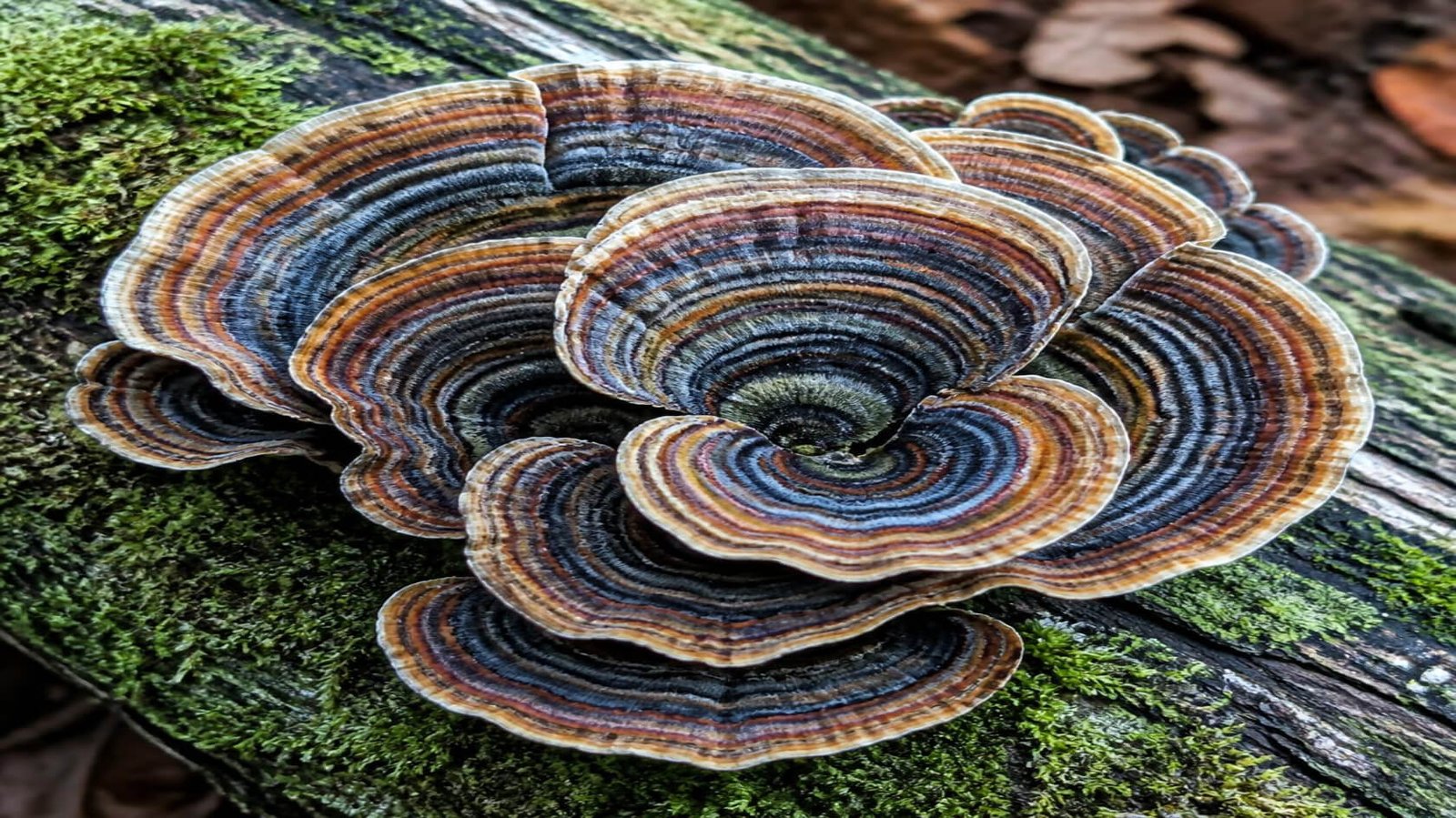
Turkey tail mushroom benefits your body mainly by waking up your immune system — its polysaccharides switch on the same defense cells that fight infections and patrol for damaged cells. I first came across turkey tail on a damp autumn hike, growing in colorful fans across an old fallen oak. I had no idea the same mushroom sitting on that log had decades of cancer research behind it. That surprise sent me down a rabbit hole, and I’ve been brewing turkey tail into my morning tea for a little over a year now. I won’t pretend it’s a magic bulb that flips overnight — but through two cold seasons I’ve bounced back faster than I used to, and that’s enough to keep it in my routine. You’ll spot turkey tail on almost any dead log — thin, fan-shaped, with rings of brown, rust, blue-grey, and cream that really do look like a wild turkey’s tail feathers. Scientists call it Trametes versicolor (older name Coriolus versicolor), and in China it’s known as Yun Zhi. It’s been part of traditional East Asian medicine for centuries, but what makes it stand out today is this: unlike most functional mushrooms, turkey tail has real human clinical trials behind it, and one of its compounds is an approved cancer-support drug in Japan. This guide walks through the 6 main benefits, PSK/PSP compounds, safety, and honest answers to common questions. Quick Facts Scientific name: Trametes versicolor (syn. Coriolus versicolor); “Yun Zhi” in ChinaLooks like: thin, fan-shaped brackets with colorful concentric rings Grows on: dead hardwood logs and stumps worldwide — one of the most common forest fungiStar compounds: PSK (Krestin), PSP, and beta-glucans Best-studied use: immune support, including alongside cancer treatmentCommon research dose: 3–9 g/day of extract What Is Turkey Tail Mushroom? Turkey tail is a thin, tough bracket fungus that grows in overlapping clusters on dead wood. Its top shows bands of color; the underside is white to cream with tiny pores (no gills). Because it’s woody and leathery, you don’t eat it like a button mushroom — people brew it into tea or take it as an extract instead. Where Does Turkey’s Tail Grow? Turkey tail is one of the most widespread mushrooms on earth. It grows on fallen logs and dead stumps in forests across North America, Europe, and Asia, showing up year-round on more than 70 kinds of hardwood. It’s a decomposer — it breaks down dead wood — so you’ll almost never find it on healthy living trees. Because harmless look-alikes exist (like false turkey tail), correct identification matters if you ever forage; the white pore surface underneath is the key giveaway. Turkey Tail at a Glance Attribute Detail Scientific name Trametes versicolor (syn. Coriolus versicolor) Common names Turkey tail, Yun Zhi, cloud mushroom Grows on Dead hardwood logs and stumps Key compounds PSK, PSP, beta-glucans, phenolics, triterpenoids Traditional use Immune support, lung and gut health Human evidence Strong for immune/cancer-adjunct; growing for gut Top 6 Turkey Tail Mushroom Benefits Last Updated: July 2026 Buy Mushroom Coffee 1. Strengthens the Immune System Turkey tail’s biggest strength is immune support, and this is where the science is strongest. Its beta-glucans and protein-bound polysaccharides act like an alarm bell for your innate immune system — they bind to receptors on macrophages, natural killer (NK) cells, and T-cells and switch them into a more active state. Researchers classify it as a “nonspecific immune modulator,” meaning it nudges overall immune activity up rather than targeting one single germ. 2. Delivers PSK and PSP — Compounds Studied in Cancer Care Turkey tail is the source of PSK (polysaccharide-K, sold as Krestin) and PSP (polysaccharopeptide) — two of the most researched mushroom compounds in the world. In Japan, PSK has been an approved adjuvant cancer therapy since the 1970s, used alongside surgery and chemotherapy for gastric, colorectal, and lung cancers. A pooled analysis of gastric cancer trials found better overall survival when PSK was added to chemotherapy. Important: Turkey tail is not a cancer cure and shouldn’t replace any medical treatment. In studies it’s used alongside standard care to support the immune system. If you’re in cancer treatment, only use it with your oncologist’s approval 3. Supports Immune Recovery During Cancer Treatment Beyond the lab, turkey tail has been tested on people. A well-known Phase 1 clinical trial gave breast cancer patients up to 9 g of turkey tail per day after radiation. It was safe and well tolerated, and the 6 g dose was linked to improved NK cell activity and a faster rebound of immune cells that radiation had knocked down. That’s a meaningful finding, because treatments like radiation often leave the immune system depleted. 4. Feeds a Healthier Gut Microbiome Turkey tail works like a prebiotic — food for your good gut bacteria. In a randomized trial in healthy volunteers, its PSP fraction shifted the gut microbiome in a favorable direction, encouraging beneficial Bifidobacterium and Lactobacillus while nudging down less desirable species. A balanced microbiome is tied to better digestion, steadier immunity, and even mood, which makes this one of turkey tail’s most promising everyday perks. 5. Provides Antioxidant Protection Turkey tail is loaded with antioxidants. Analyses have identified dozens of phenolic compounds — including flavonoids like quercetin and baicalein — that help neutralize the free radicals behind oxidative stress and everyday cellular wear. This antioxidant load is part of why the mushroom is linked to anti-aging and general wellness in traditional use. 6. May Support Antimicrobial and Anti-Inflammatory Defense Turkey tail also shows antimicrobial and anti-inflammatory activity in lab studies. Extracts have slowed the growth of certain bacteria and calmed markers of inflammation in test-tube research. It’s early, mostly in vitro evidence, but it fits the traditional use of turkey tail for lung and respiratory support. Note: Turkey tail’s immune and cancer-adjunct evidence is genuinely strong, but its gut, antioxidant, and antimicrobial benefits still lean on early or lab-based research. Treat it as support for a healthy routine, not a treatment. What’s
Lion’s Mane Mushroom Benefits: 7 Brain Perks Backed by Real Science
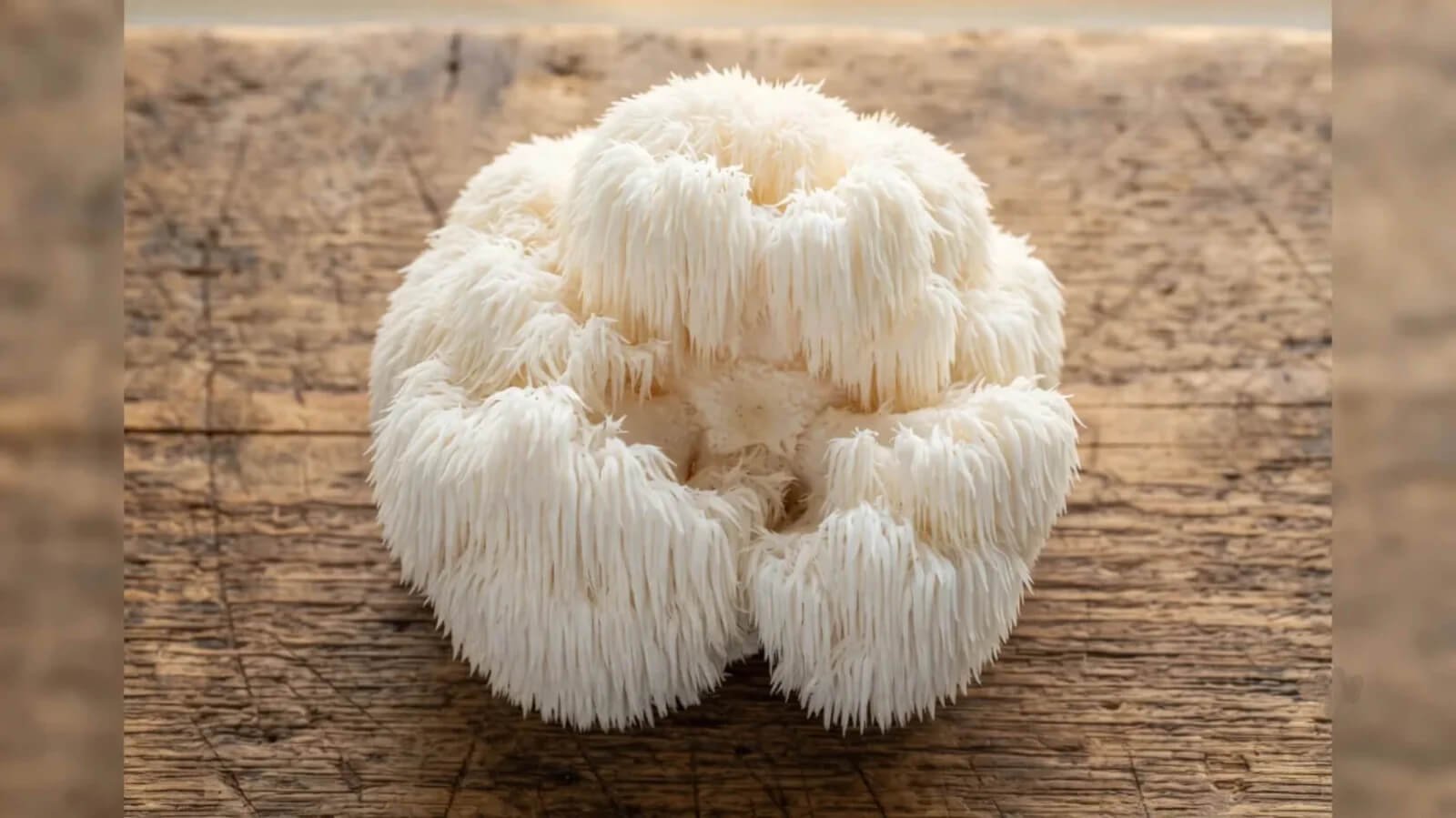
Lion’s Mane mushroom benefits your brain in one standout way: it helps your body make more Nerve Growth Factor (NGF), the protein that keeps brain cells alive and talking to each other. Here’s my honest story. The first time I tried Lion’s Mane, I felt nothing — and almost quit after a week. Then around day 20, I realized I hadn’t reached for my usual 3 p.m. coffee in days. That slow, quiet change is exactly what the research keeps finding. Hericium erinaceus — the shaggy white mushroom that looks like a lion’s mane — makes two compounds you won’t find together in any other edible fungus: hericenones and erinacines. Both push your brain to make more NGF, which helps neurons survive, form new connections, and hold off age-related memory slips. A September 2025 review in Frontiers in Nutrition pulled together clinical and lab studies and reported real signals for brain, mood, and nerve health. Big human trials are still running, so treat Lion’s Mane as strong support, not a cure. This guide covers all 7 benefits, how it makes you feel, the right dose, side effects, and how to pick a product that actually works. Quick Facts Scientific name: Hericium erinaceus (aka yamabushitake, monkey head, bearded tooth) Grows on: hardwood trees — oak, beech, walnut, maple Star compounds: hericenones + erinacines (found together nowhere else) Best-studied benefit: memory and nerve support Common research dose: 3–5 g powder or 1 g extract per day FDA status: legal supplement in the U.S.; not approved to treat any disease What Is Lion’s Mane Mushroom? ion’s Mane is an edible mushroom that grows as a cluster of soft, white spines hanging from one base — picture a frozen white waterfall on a tree trunk. Unlike the hard, black look of chaga or the flat, layered shape of turkey tail, Lion’s Mane is soft, pale, and safe to eat straight off the log. Cooks across China, Japan, India, and Korea have used it as a seafood-style meat swap for hundreds of years. Old-school herbalists reached for it to calm upset stomachs, prop up weak immunity, and clear mental fog. Western labs only got serious about it in the 1990s, and the studies really picked up speed after 2020. Lion’s Mane at a Glance Attribute Detail Scientific name Hericium erinaceus Other names Yamabushitake, monkey head, bearded tooth fungus Grows on Oak, beech, walnut, maple Native regions North America, Europe, East Asia Key compounds Hericenones, erinacines, beta-glucans, polyphenols, terpenoids Traditional use Digestion, mental clarity, immune strength Human trials (2026) Several small-to-medium; larger ones ongoing Top 7 Lion’s Mane Mushroom Benefits (Backed by Research) 1. Helps Grow and Repair Brain Cells Lion’s Mane helps your brain build new cells by raising NGF, the protein neurons need to grow and repair. In animal studies, the extract cut memory loss and slowed damage from amyloid-beta plaques — the sticky deposits tied to Alzheimer’s. Researchers also confirmed that erinacine A and S cross the blood-brain barrier in rats, so these compounds reach brain tissue directly. 2. Sharpens Memory and Focus in Older Adults Lion’s Mane can improve memory in older adults, and one human trial shows it clearly. Adults aged 50+ with mild Alzheimer’s symptoms took 1 g of extract per day for 49 weeks and scored better on cognition tests than the placebo group. Results in young, healthy people are more of a mixed bag — some studies show a small lift, others show nothing. So the memory perk looks strongest where the brain needs the most help. 3. Eases Mild Anxiety and Low Mood Lion’s Mane may lift mild anxiety and low mood at the same time. In one study, people who took three 400 mg capsules per day for 8 weeks reported lower depression and anxiety scores — and slept better — than the placebo group. Researchers think two things drive this: less brain inflammation and more new cells in the hippocampus, the mood-and-memory hub. 4. Guards Against Nerve Damage and Decline Lion’s Mane protects nerves by pushing your body’s own NGF production, which helps nerve cells survive and repair. Once nerve cells die, the body can’t bring them back — so protection matters more than repair. Several animal studies show the extract slows amyloid-beta buildup and blunts the oxidative stress that speeds up nerve damage. That’s why people with a family history of dementia watch this research closely, even though prevention trials in humans are still thin. 5. Calms Chronic Inflammation Lion’s Mane lowers inflammation through several routes at once, not just one. A 2025 narrative review in Nutrients looked at dozens of studies and found that its polysaccharides, terpenoids, and phenolic compounds each cut inflammatory markers on their own. Hitting the problem from a few angles is what makes it stand out from single-target supplements. 6. Strengthens Your Immune Defense Lion’s Mane backs up your immune system, mostly thanks to its beta-glucans. These compounds switch on macrophages, natural killer cells, and dendritic cells — the crew that spots and clears germs and rogue cells. Animal studies keep showing better pathogen clearance when Lion’s Mane is added to the diet. Scientists have studied mushroom beta-glucans this way for decades, and Lion’s Mane is a strong source. 7. Supports Gut and Digestive Health Lion’s Mane helps your gut in three ways: it feeds good bacteria, calms gut inflammation, and strengthens the gut lining. A healthy lining works like a bouncer — nutrients get in, junk stays out. When it weakens, toxins and food bits leak into the blood and set off body-wide inflammation. Lion’s Mane polysaccharides appear to tighten the “junction” proteins that hold the gut wall together, at least in animal models. It’s one of the most underrated perks on this list. Most Lion’s Mane research so far comes from animal studies and small human trials. The results look promising, but they’re not final. Treat Lion’s Mane as support for a healthy routine — not a swap for medical care. Does Lion’s Mane Make You
Chaga Mushroom Benefits: Complete Guide
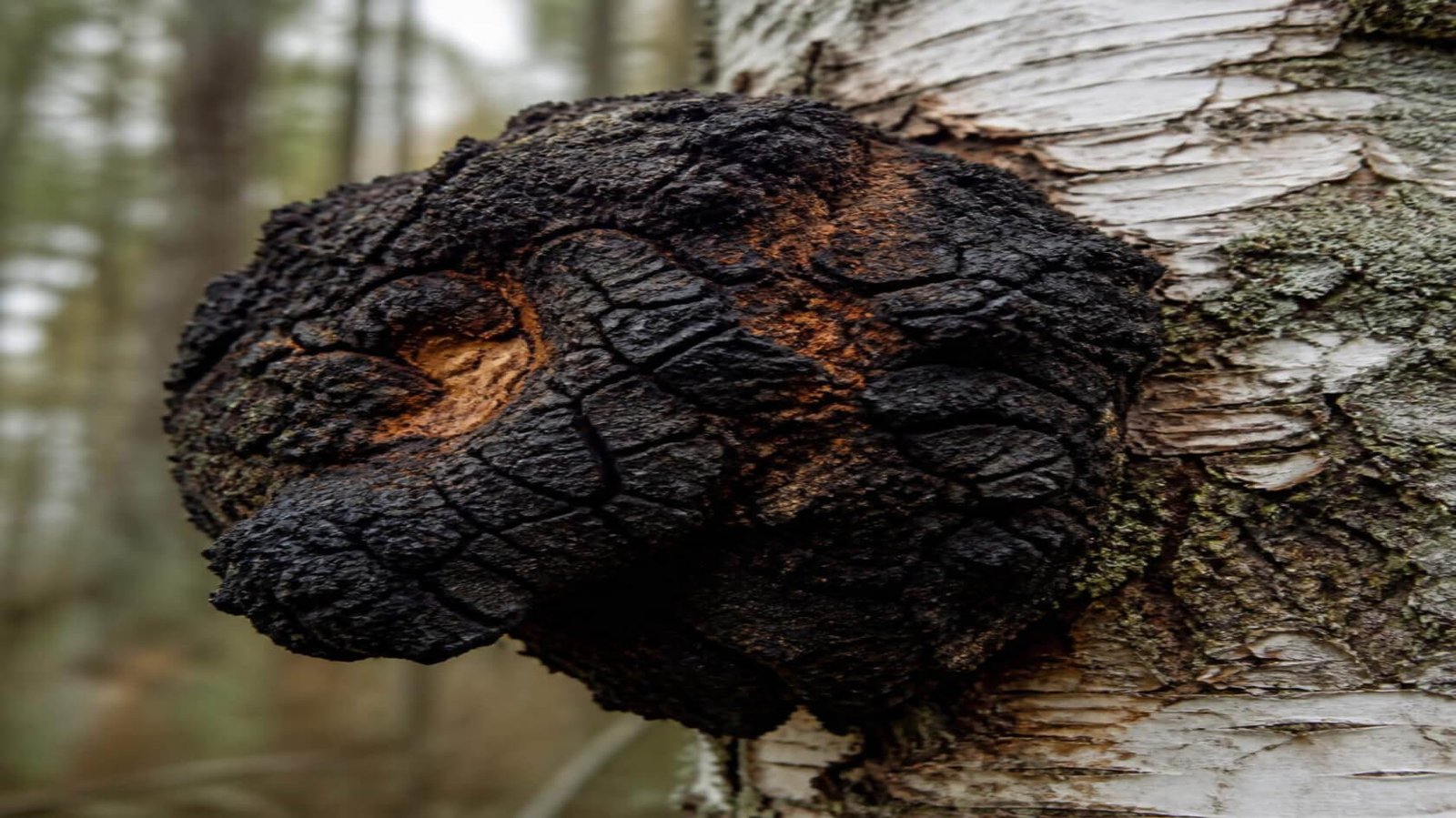
Chaga Mushroom Introduction Chaga mushroom (Inonotus obliquus) is a parasitic fungus that grows on birch trees in cold climates, and research links it to antioxidant, immune-modulating, anti-inflammatory, and antitumor effects. Most evidence comes from cell and animal studies, not large human trials. A 2023 review counted roughly 130 distinct pharmacological properties tied to chaga compounds, spanning anticancer, gene-protecting, and antimicrobial activity. This guide covers what chaga is, the proven and proposed benefits, dosage, safety risks like oxalate nephropathy, and how to use it correctly. Quick facts: Chaga grows almost exclusively on birch trees in Russia, Canada, Northern Europe, and parts of the northern United States. No large randomized controlled human trials on chaga exist as of 2026. Chaga has one of the highest oxalate contents of any commonly consumed fungus. The British Columbia Centre for Disease Control caps daily dried chaga intake at 3.6 grams. Last Updated: July 2026 Chaga Mushroom Coffee Exclusive Reader Discount – Save $10! Apply Code: LEARNMUSHROOM Shop Arctic Chaga What Is Chaga Mushroom? Chaga is a black, charcoal-like fungal growth, not a mushroom in the conventional cap-and-stem sense. It forms on the bark of birch trees and has been used in folk medicine across Russia, Northern Europe, and parts of Asia for centuries. Traditional uses included immune support, digestive complaints, and even pipe-smoking rituals in some cultures.Inonotus obliquus is described as an inexpensive fungus with a broad range of traditional and medicinal applications, including therapy for breast, cervix, and skin cancers as well as diabetes treatment. Modern interest in chaga has grown alongside the broader functional mushroom and adaptogen market in the United States. Top Chaga Mushroom Benefits (Backed by Research) 1. Antioxidant Activity Chaga’s most consistently documented benefit is its antioxidant capacity, and researchers have now mapped the mechanism at a molecular level. A 2026 study isolated three polyphenols from chaga and found that all three compounds, along with the crude extract, significantly reduced reactive oxygen species, increased superoxide dismutase activity, and downregulated the TLR4/MyD88/NF-κB inflammatory signaling pathway. This places chaga among the higher-antioxidant fungi studied to date, though the findings come from macrophage cell models rather than human trials. 2. Immune System Support Chaga has long been promoted as an immune booster, and lab research backs this up to a degree. Animal and test-tube studies suggest chaga extract may boost immune function, reduce long-term inflammation, and potentially slow cancer growth, though human studies are still needed to confirm these effects. The proposed mechanism involves stimulating cytokine production, which in turn activates white blood cells responsible for fighting infection. 3. Anti-Inflammatory Effects Chronic inflammation is linked to heart disease, arthritis, and several autoimmune conditions. Chaga extract has shown anti-inflammatory activity in multiple lab studies, primarily by interrupting inflammatory signaling pathways and reducing oxidative stress markers in treated cells. 4. Potential Anticancer Properties (Preliminary) Cancer-related research on chaga is the most cited but also the least conclusive for humans. Several studies have shown antitumor effects of chaga mushroom extract against lung adenocarcinoma, breast cancer, liver carcinoma, and other cancer cell lines, with one 2024 study finding that chaga extract suppressed oral cancer cell growth by inhibiting energy metabolism. Separately, researchers tested chaga’s anti-cancer activity against dog bladder cancer organoids, extending findings beyond rodent models into more complex tissue cultures. None of this constitutes evidence chaga treats or cures cancer in humans — it should never replace medical treatment. 5. Skin Health Support Newer research has examined chaga for inflammatory skin conditions. A January 2026 study found that chaga mushroom extract attenuated DNCB-induced atopic dermatitis by modulating oxidative stress and inflammatory cytokine expression in animal models. This adds to chaga’s traditional use as a topical and ingested remedy for skin irritation. Callout: Most chaga benefits are demonstrated in cell cultures and animal models, not large human clinical trials. Treat chaga as a supportive supplement, not a proven treatment for any disease. If you’re exploring functional mushrooms beyond chaga, you might also like our guides on Lion’s Mane mushroom benefits and Reishi mushroom benefits. 6. May Support Healthy Blood Sugar One of chaga’s most-studied traditional uses is blood sugar support. In several animal studies, chaga extract helped lower fasting blood glucose and improved insulin sensitivity, likely thanks to its polysaccharides slowing carbohydrate breakdown. Human data is still missing, so chaga shouldn’t replace diabetes medication — but this remains one of its most promising research directions. 7. May Help Lower Cholesterol Chaga’s antioxidant compounds may also benefit heart health. Animal research has shown chaga extract reducing total and LDL (“bad”) cholesterol while nudging HDL (“good”) cholesterol upward. Since high cholesterol is a major driver of heart disease, this is a benefit worth watching — though, again, the evidence so far comes from lab and animal models rather than human trials. 8. Antiviral and Antimicrobial Potential Beyond immunity, chaga has shown direct activity against certain microbes in the lab. Test-tube studies report that chaga extracts can inhibit specific viruses and bacteria, with betulinic acid and triterpenes appearing to play a role. This lines up with chaga’s long folk-medicine history as a remedy for infections, even if clinical confirmation in humans is still pending. 9. Supports Skin and Healthy Aging Chaga is exceptionally rich in melanin and antioxidants, which is why it’s increasingly appearing in skincare. Research suggests these compounds may help protect skin cells from UV and oxidative damage — the kind of stress tied to premature aging. Whether taken as a tea or applied topically, chaga’s antioxidant load makes it a natural fit for a healthy-aging routine. Chaga Mushroom Nutrition and Active Compounds Chaga Mushroom Betulinic acid – derived from birch bark compounds absorbed by the fungus Polyphenols – including protocatechuic acid and osmundacetone, tied to antioxidant activity Triterpenoids – linked to anti-inflammatory and antitumor lab findings Melanin complexes – give chaga its dark, charcoal-like color and contribute antioxidant properties Beta-glucans – polysaccharides associated with immune modulation in fungi generally How to Take Chaga Mushroom Chaga is most commonly consumed as: Tea – dried chaga chunks steeped
Reishi Mushroom Benefits: 7 Science-Backed Reasons to Add It to Your Daily Routine
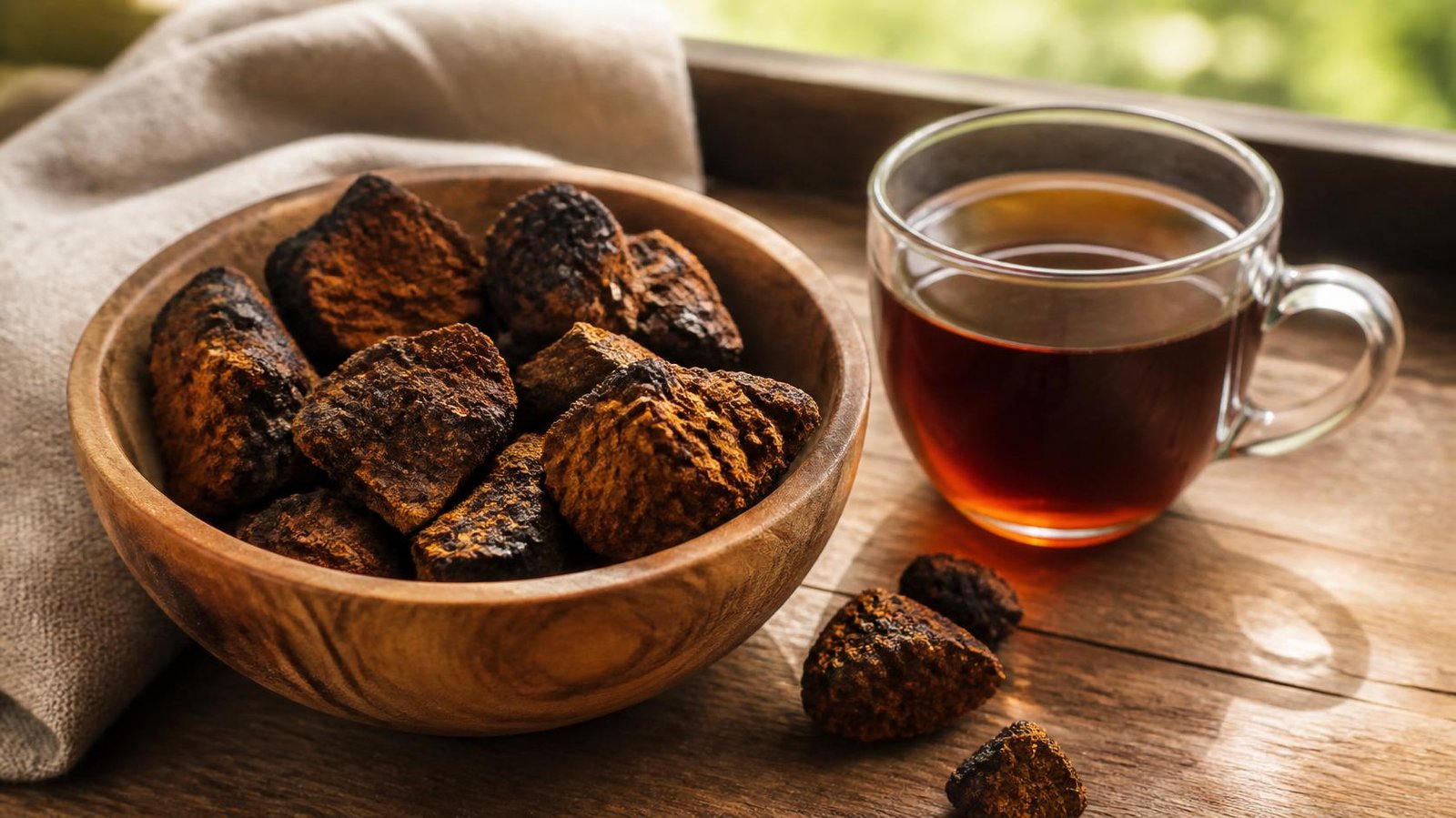
Exclusive Reader Discount – Save $10! Apply Code: LEARNMUSHROOM Shop Arctic Chaga Introduction The biggest reishi mushroom benefits are immune balance, lower stress, and heart support. It’s known as Ganoderma lucidum in science and “Lingzhi” in Chinese medicine. People have used it for over 2,000 years, and modern research backs some of these old claims — a 2024 patient survey of 1,374 cancer patients found more than half reported reduced fatigue and improved appetite after taking reishi (Source: PMC/NIH, 2024). Reishi contains roughly 400 active compounds. The two most studied are beta-glucans and ganoderic acids. Beta-glucans support immune signaling. Ganoderic acids act as antioxidants. This guide covers the full range of reishi mushroom benefits, how to take it, side effects, and the best forms to buy. For comparison, you can also read our guides on turkey tail mushroom benefits and chaga mushroom benefits — two other well-researched functional mushrooms. What Is Reishi Mushroom? Before diving into the specific reishi mushroom benefits, it helps to know what reishi actually is. Reishi is a hard, shelf-like mushroom that grows on decaying hardwood trees. It has a glossy, lacquered cap and a woody texture, which is why it’s rarely eaten raw. Instead, it’s simmered into tea, ground into powder, or extracted into tinctures and capsules. In Traditional Chinese Medicine, it earned the nickname “mushroom of immortality” for its supposed longevity effects. Top 7 Reishi Mushroom Benefits (Backed by Research) The list below breaks down the most well-documented reishi mushroom benefits, from immune support to liver protection. 1. Supports Immune System Function One of the most-cited reishi mushroom benefits is immune support. Reishi’s beta-glucan polysaccharides interact with white blood cells and may help regulate immune response. Some small clinical studies found improved immune and tumor response markers in cancer patients using reishi extract alongside standard treatment. 2. May Reduce Stress, Anxiety, and Fatigue A separate pilot trial in 48 breast cancer patients found reishi powder significantly reduced fatigue and anxiety over four weeks compared to placebo — a pattern consistent with the broader patient-reported improvements mentioned earlier in this guide. (Note: This section previously repeated the 1,374-patient survey stat from the intro almost word-for-word. I removed the repeat and kept only the new data point — the 48-patient breast cancer trial — so the section still supports the same point without being redundant.) 3. May Support Better Sleep Quality Traditional use of reishi centers on calming the mind and supporting restful sleep. Its mild sedative-like reputation comes from triterpene compounds that may lower cortisol reactivity, though large-scale human sleep trials remain limited. 4. Rich in Antioxidants Reishi extract has been shown in small human studies to raise plasma antioxidant capacity, which helps the body neutralize oxidative stress linked to aging and chronic disease. 5. May Support Heart Health Animal and in-vitro studies suggest reishi compounds can help lower triglycerides and raise HDL (“good”) cholesterol. Results from human trials remain mixed, so this benefit should be framed as promising rather than proven. 6. Liver Protection (Hepatoprotective Effects) Among the lesser-known reishi mushroom benefits is liver support. Preclinical research shows reishi extracts have hepatoprotective properties, meaning they may help shield liver cells from damage — a traditional use now getting lab-level support. 7. Adjunct Support During Cancer Care (not a treatment or cure) Reishi is not a cancer treatment. That said, several small studies show it may ease treatment-related fatigue, appetite loss, and low mood when used alongside conventional oncology care and under medical supervision. ⚠️ Callout Box: Reishi is not approved to diagnose, treat, cure, or prevent any disease, including cancer. Always talk to your oncologist or doctor before combining reishi with any treatment plan. Reishi vs. Other Medicinal Mushrooms (Comparison Table) Wondering how reishi mushroom benefits stack up against other popular medicinal mushrooms? Here’s a quick side-by-side comparison. Mushroom Primary Benefit Best For Common Form Reishi (Ganoderma lucidum) Calm, immune balance, antioxidant Stress, sleep, recovery Coffee, powder, tincture Chaga Antioxidant, immune boost Daily energy, immunity Tea, chunks, powder Lion’s Mane Cognitive & nerve support Focus, brain health coffee Cordyceps Energy & stamina Exercise performance Powder Turkey Tail Gut & immune microbiome support Digestive health tea (Note: I linked Chaga and Turkey Tail here too, matching the Lion’s Mane link that was already there — this fixes the “internal linking is weak” issue.) How to Take Reishi Mushroom To actually experience the reishi mushroom benefits above, here are the three easiest ways to take it. Reishi Mushroom Coffee (Easiest Daily Option) Instant reishi coffee blends freeze-dried Arabica beans with reishi extract, so you get your morning ritual and your dose in one cup. Reishi Extract Powder (Flexible Dosing) Powder form lets you control the amount and mix it into coffee, smoothies, or recipes. A typical serving is around ½ teaspoon daily. Exclusive Reader Discount – Save $10! Apply Code: LEARNMUSHROOM Shop Arctic Chaga Is Reishi Safe? How to Use It Confidently Reishi has one of the gentlest safety profiles among medicinal mushrooms — it’s been part of daily wellness routines across Asia for over two thousand years. For most healthy adults, it’s a low-risk addition to the day. Generally very well tolerated At sensible daily amounts, reishi rarely causes problems. When mild effects do show up, they’re usually temporary and easy to manage: some people notice dry mouth, mild nausea, or a slightly upset stomach when first starting. This often fades as your body settles in, and is easily avoided by starting low and taking it with a little food or water. A Few People Should Take Extra Care Reishi is powerful enough to interact with certain conditions and medications, so check with your doctor first if you: Take blood thinners or blood-pressure medication — reishi may gently amplify their effects Are pregnant or breastfeeding — there simply isn’t enough safety data yet Have a bleeding disorder or surgery coming up — pause use beforehand to be safe Use very high doses of concentrated extracts for long stretches — rare reports link this pattern