
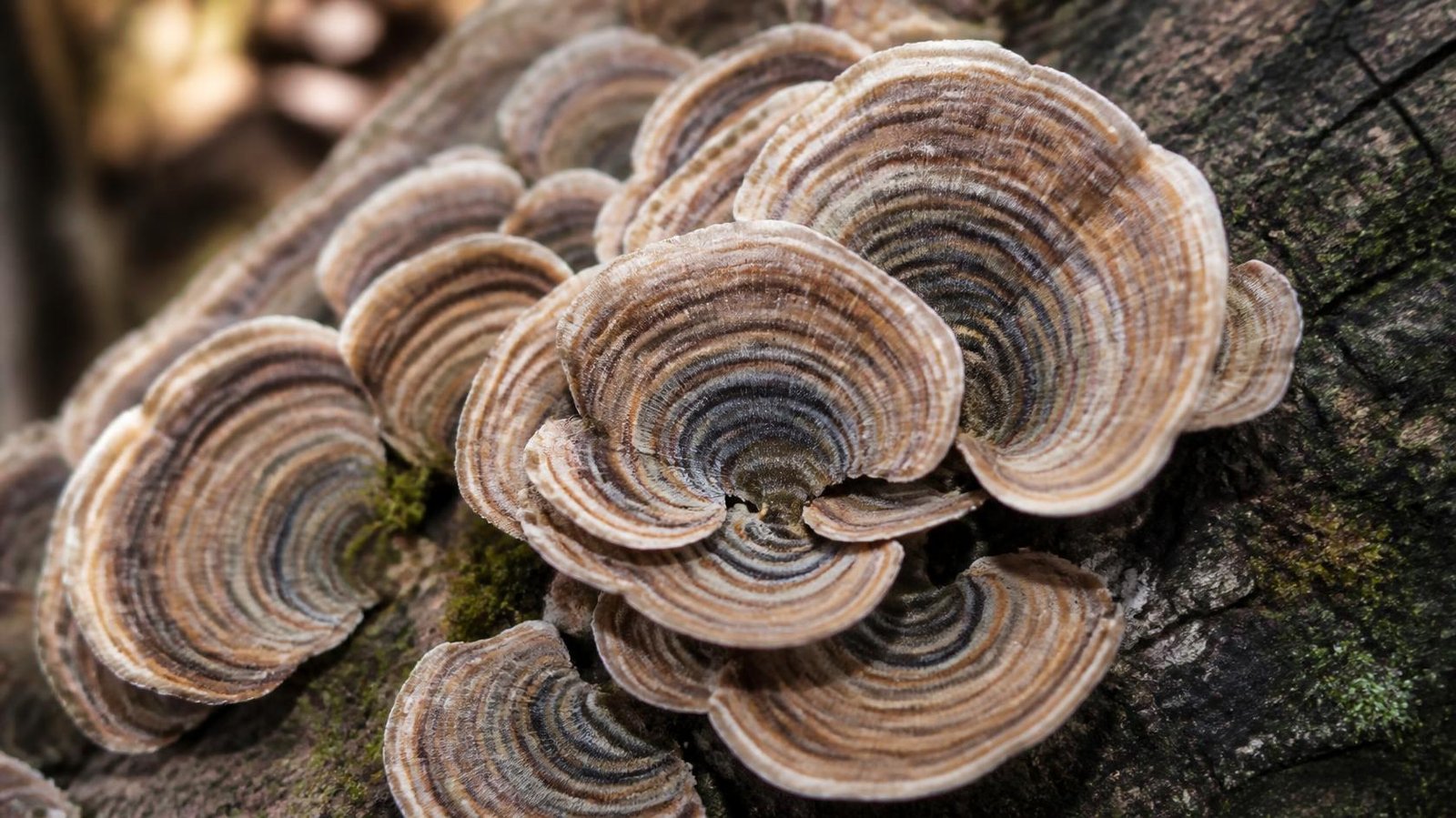
We may earn a commission from links in this turkey tail mushroom guide, at no extra cost to you.. Learn more To cook turkey tail mushrooms, clean and cut them into small pieces. Simmer roughly 1 ounce of dried mushroom in 4 cups of water for 45 minutes to make tea. For broth, simmer with vegetable scraps for 2–3 hours instead. Turkey tail stays tough no matter how long you cook it, so tea, broth, and powder work far better than sautéing it whole. Quick Facts Scientific Name: Trametes versicolor (also Coriolus versicolor) Best Cooking Method: Long simmer — tea (45–60 min) or broth (2–3 hrs) Ideal Ratio for Tea: 1 oz dried mushroom : 4 cups water Studied Daily Dose: 1,000–3,000 mg (up to 6,000 mg short-term) Difficulty: Beginner-friendly, but easy to underbrew Shelf Life (dried/powder): 1+ year, airtight container I brewed the same batch of foraged turkey tail two ways. First attempt: a 5-minute steep, treated like a tea bag. Thin, slightly raw, faintly woody — nothing worth drinking twice. Second attempt: the same mushroom, more water, and a full 50-minute simmer. Amber-colored, earthy, mildly sweet — the tea people actually describe online. Same mushroom, same pot. The only variable was time and water. That’s the whole lesson of this guide. Most people treat turkey tail like a tea bag — pour hot water over it for five minutes, and end up with something thin and slightly raw. I made that exact mistake. I pulled my first cluster of turkey tail off a fallen oak on a hike, brought it home, and brewed it into tea that same afternoon. I didn’t use enough water and rushed the simmer. What came out of the pot tasted thin and slightly woody — nothing like the earthy, mildly sweet tea I’d read about online. The second batch fixed everything: more water, a longer simmer, and a lot more patience. That cup actually tasted good. One mistake taught me more about cooking turkey tail than any recipe card ever did. Turkey tail is tough and fibrous, closer to a piece of bark than a button mushroom. This guide covers how to cook it, how much to use, and what the research says about safety — everything in one place. Are Turkey Tail Mushrooms Edible? Yes. Turkey tail mushrooms (Trametes versicolor) are edible and not toxic, though almost nobody eats them whole the way you’d eat a portobello. The texture stays tough and rubbery no matter how long you cook it. That’s why cooks extract its flavor into tea or broth, or grind the dried mushroom into powder, instead of sautéing and eating it straight. The real risk isn’t the mushroom itself — it’s misidentification. A few lookalikes exist, and eating anything foraged that you can’t confidently identify is never worth it. Buying dried turkey tail or turkey tail powder from a supplier removes this concern entirely. How to Identify Turkey Tail Before You Cook It Turkey tail grows in thin, fan-shaped, overlapping clusters on dead or dying hardwood, and the top surface shows concentric rings of brown, tan, gray, and blue. Four markers confirm the ID: Underside: small white or cream-colored pores, never gills Texture: thin and leathery, almost like suede Growth pattern: dense, overlapping shelves stacked on the wood Zoning: distinct color bands running in rings, slightly fuzzy on top ⚠️ Check the underside first. False Turkey Tail (Stereum ostrea) shares the same colors on top, but its underside is smooth and solid — no pores at all. Flip every mushroom over before it goes in your basket. New to foraging? Cross-reference with a local field guide or a mycology group before cooking anything you picked yourself. We cover the full process, including more lookalikes, in our turkey tail mushroom identification and benefits guide. How to Clean and Prepare Turkey Tail Mushrooms Cleaning takes minutes, but skipping it affects everything you cook afterward. Five steps: Brush off debris. A soft brush or dry paper towel removes dirt, bark, and insects from both sides. Wipe, don’t soak. A damp cloth handles what the brush missed. Turkey tail is thin enough that soaking waterlogs it fast. Trim the base. Cut away the woody point where it attached to the log. Cut into small pieces. Smaller pieces expose more surface area, so they extract faster whether you’re steeping or drying. Dry it if you’re not cooking today. Spread pieces on a screen or dehydrator tray until snap-brittle. Dried turkey tail keeps a year or more in an airtight container — and it’s what most recipes, including the one below, actually call for. How to Make Turkey Tail Mushroom Tea: Step by Step Total time: about 1 hour. Makes roughly 3–4 cups. This is the recipe where most people, myself included, get it wrong the first time. The compounds turkey tail is known for — polysaccharide-K and polysaccharide-peptide — are water-soluble, but they only release with real heat over real time. A quick steep barely touches them. Ingredients 1 oz dried turkey tail pieces (about 1 cup) 4 cups water Optional: a slice of fresh ginger Optional: lemon or honey to taste Instructions Add the turkey tail pieces and water to a saucepan. Bring to a gentle boil, then reduce to a low simmer. Simmer uncovered for 45 minutes to an hour, topping up water if it drops too low. Strain through a fine mesh strainer or cheesecloth into a mug or jar. Stir in ginger, lemon, or honey if using, and drink warm. 💡 The thin-tea fix: If your tea tastes weak or slightly raw, the simmer was too short or the water ratio too low — that was exactly my mistake the first time. A full 45-to-60-minute simmer, not a steep, is what pulls the flavor out. Leftover tea keeps in the fridge for about a week. Turkey tail also holds up to a second simmer better than most mushrooms, so the same batch of pieces can give you a lighter second